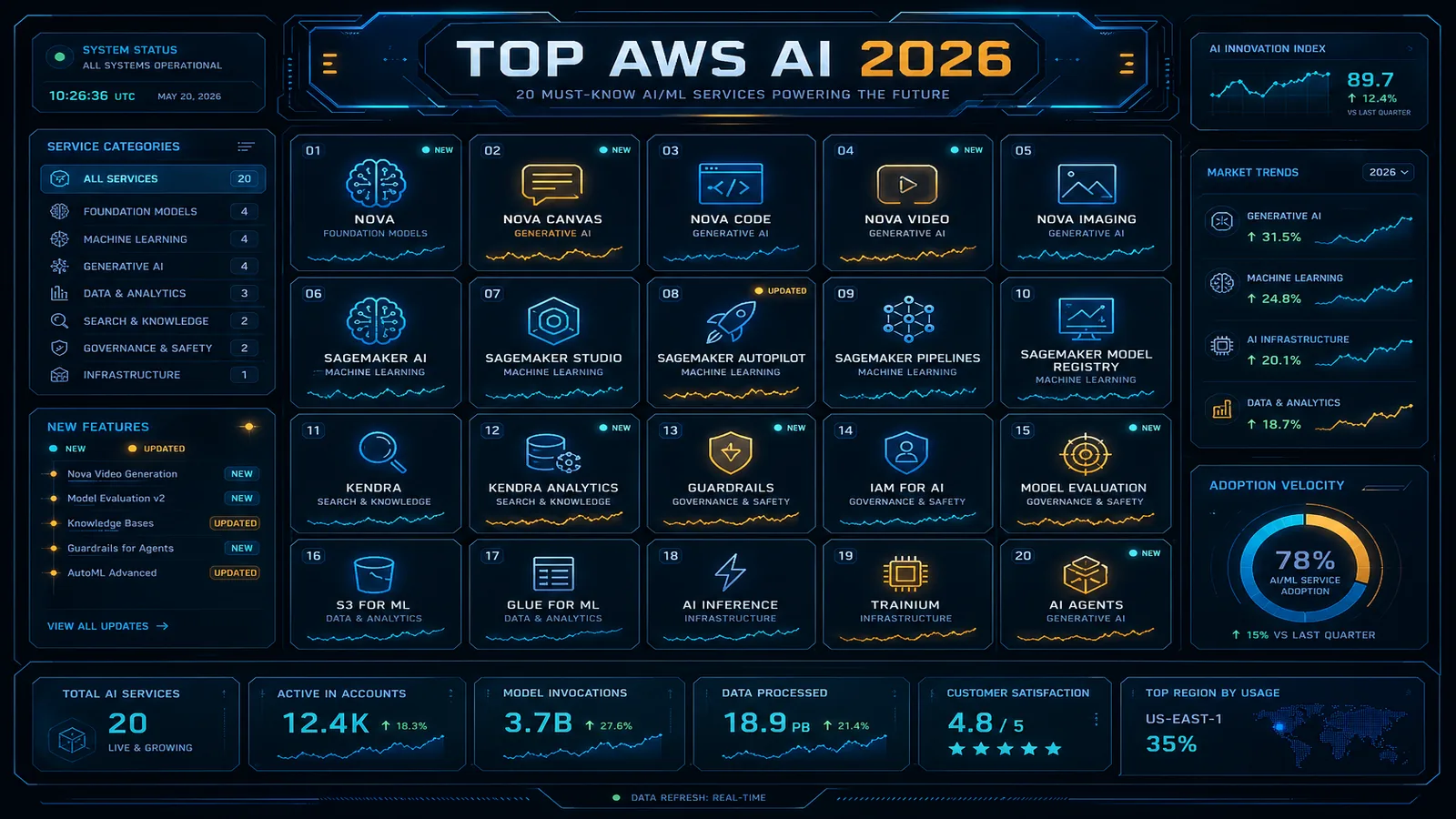
The 10 AWS Announcements That Matter for Enterprise Teams (Q2 2026)
Q2 2026 ranked: AgentCore Harness GA (Jun 17), FinOps Agent preview (Jun 9), Graviton5 GA (Jun 10), OpenAI on Bedrock (Apr 28). Adoption matrix + verified TCO signals for CTOs.
Blog category

Q2 2026 ranked: AgentCore Harness GA (Jun 17), FinOps Agent preview (Jun 9), Graviton5 GA (Jun 10), OpenAI on Bedrock (Apr 28). Adoption matrix + verified TCO signals for CTOs.

For a fintech SaaS (6 prod databases, ~$14k/mo RDS line), scoping in-house DBA for schema + MSP for 24/7 paging cut on-call from 22 to 9 hrs/mo — Aurora Serverless v2 min ACU tuning handled tier-2 first.

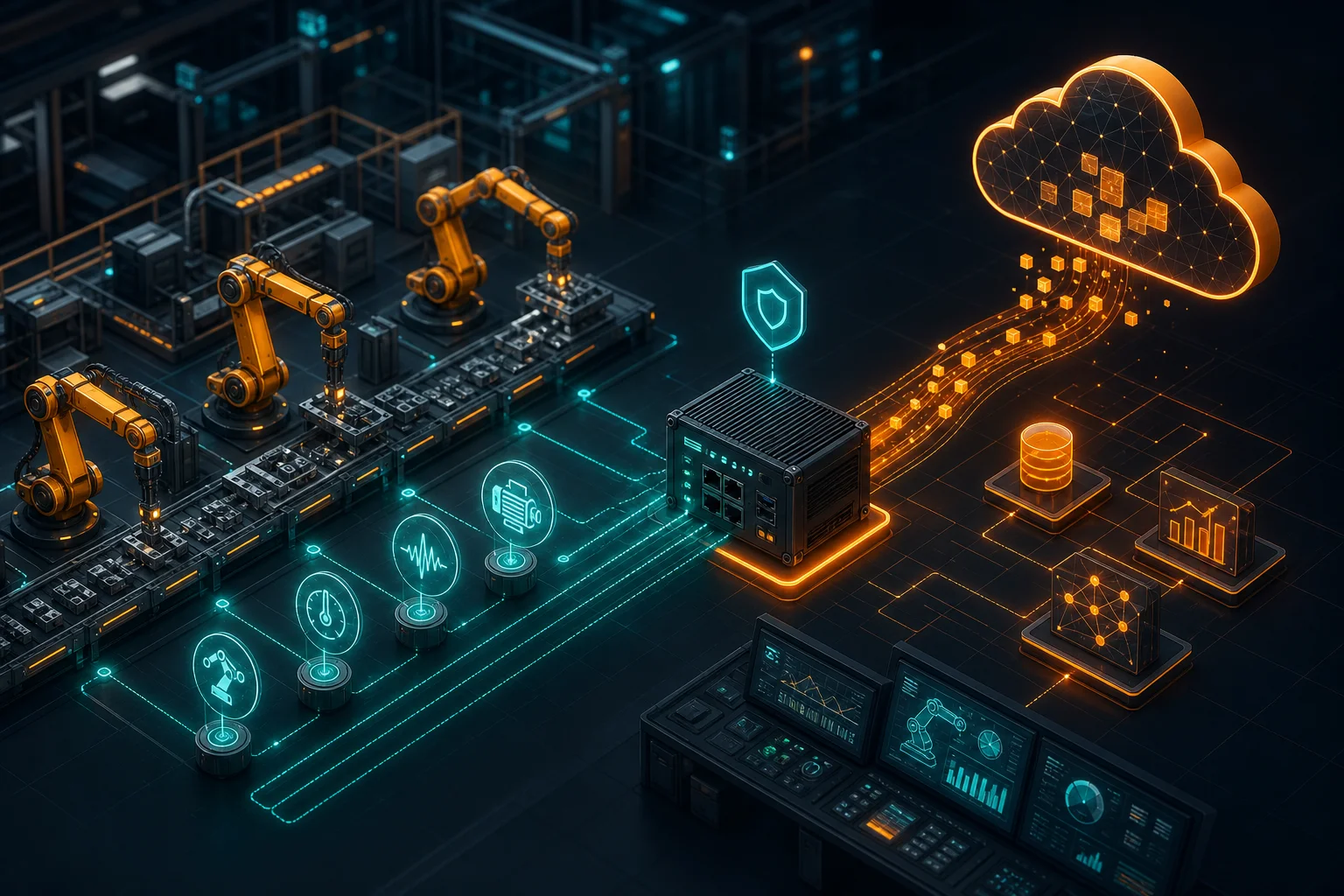
For discrete manufacturing (~850 OPC-UA tags, 12 lines), Greengrass + IoT SiteWise anomaly detection moved OEE from 61% to 74% in 90 days — unplanned downtime −18% without replacing MES.

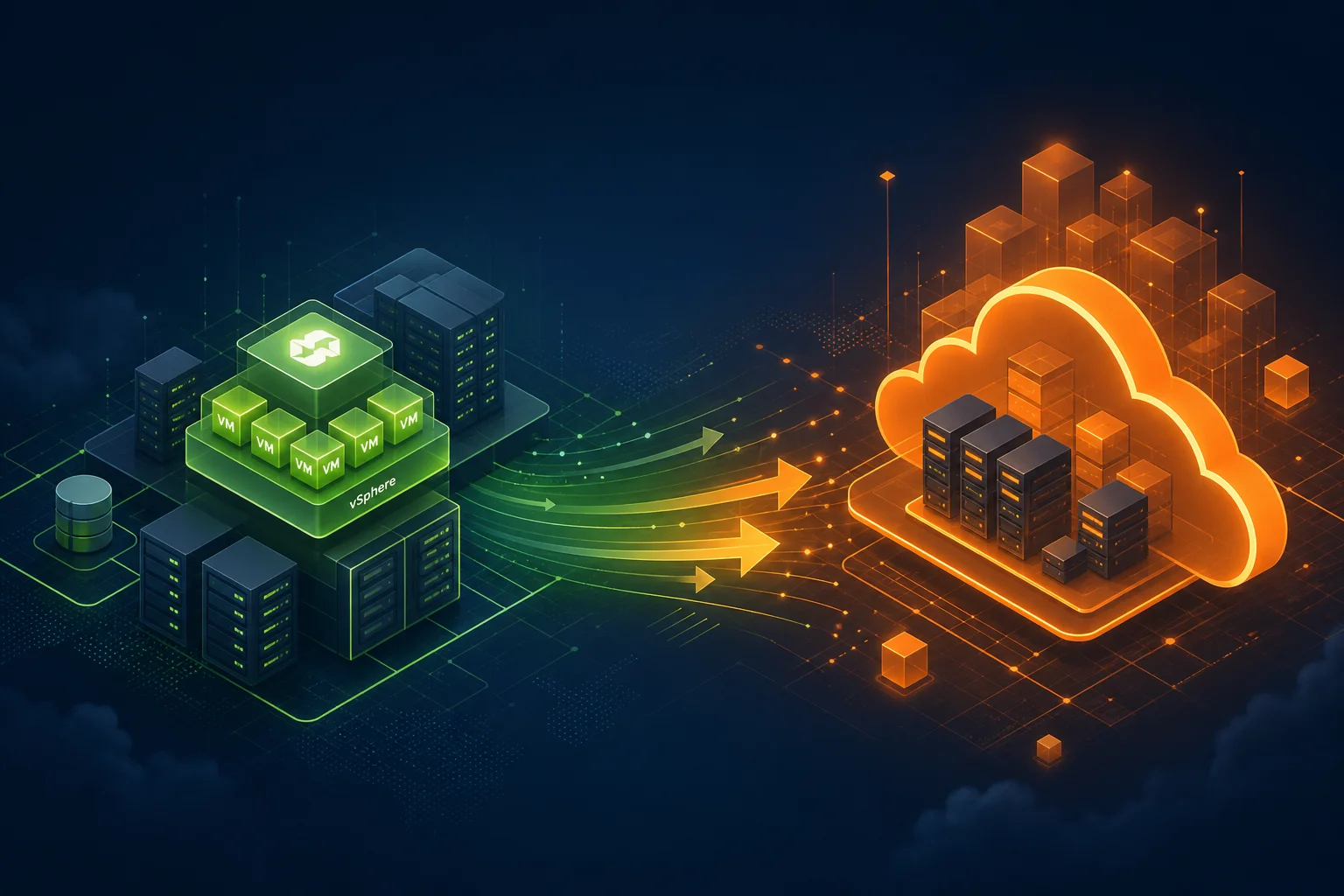
For a mid-market software estate (~280 VMs, $340k/yr Broadcom renewal), splitting 60% MGN rehost + 25% EVS relocate + 15% replatform cut parallel-run from 22 to 16 weeks — without forcing one hypervisor strategy.

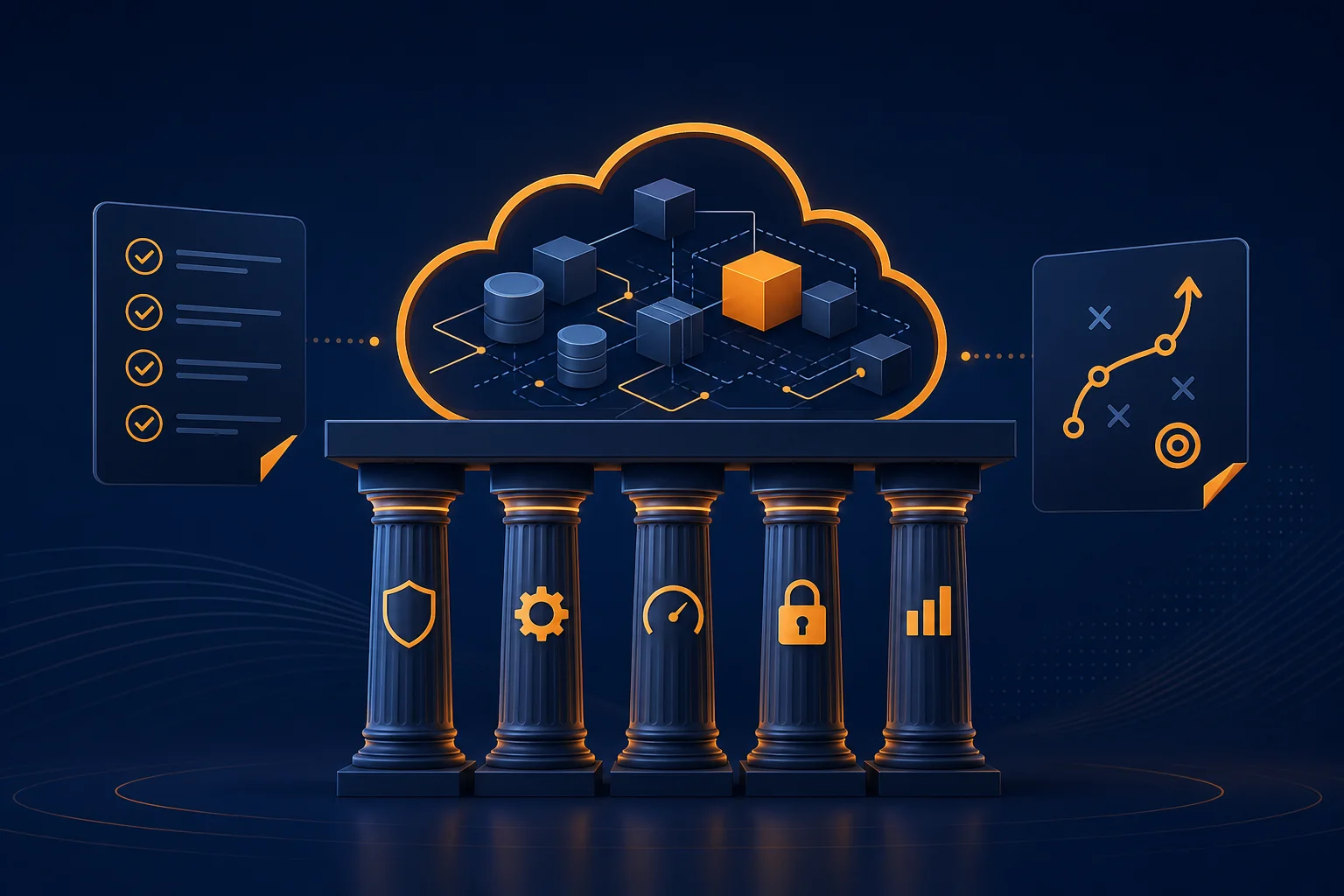
On a B2B SaaS crossing Series A (~$18.5k/mo AWS), running the funding-stage gate checklist before the B round cut diligence prep from 11 weeks to 4 — Organizations split, WAF, and SOC2 evidence path without re-platforming.

Before a partner-led WA Review, a fintech workload with 23 open HRIs spent 6 weeks on unfocused fixes; after the readiness checklist and HRI cap of 5 for 90 days, the next milestone dropped High Risk items from 23 to 7 in one review cycle.

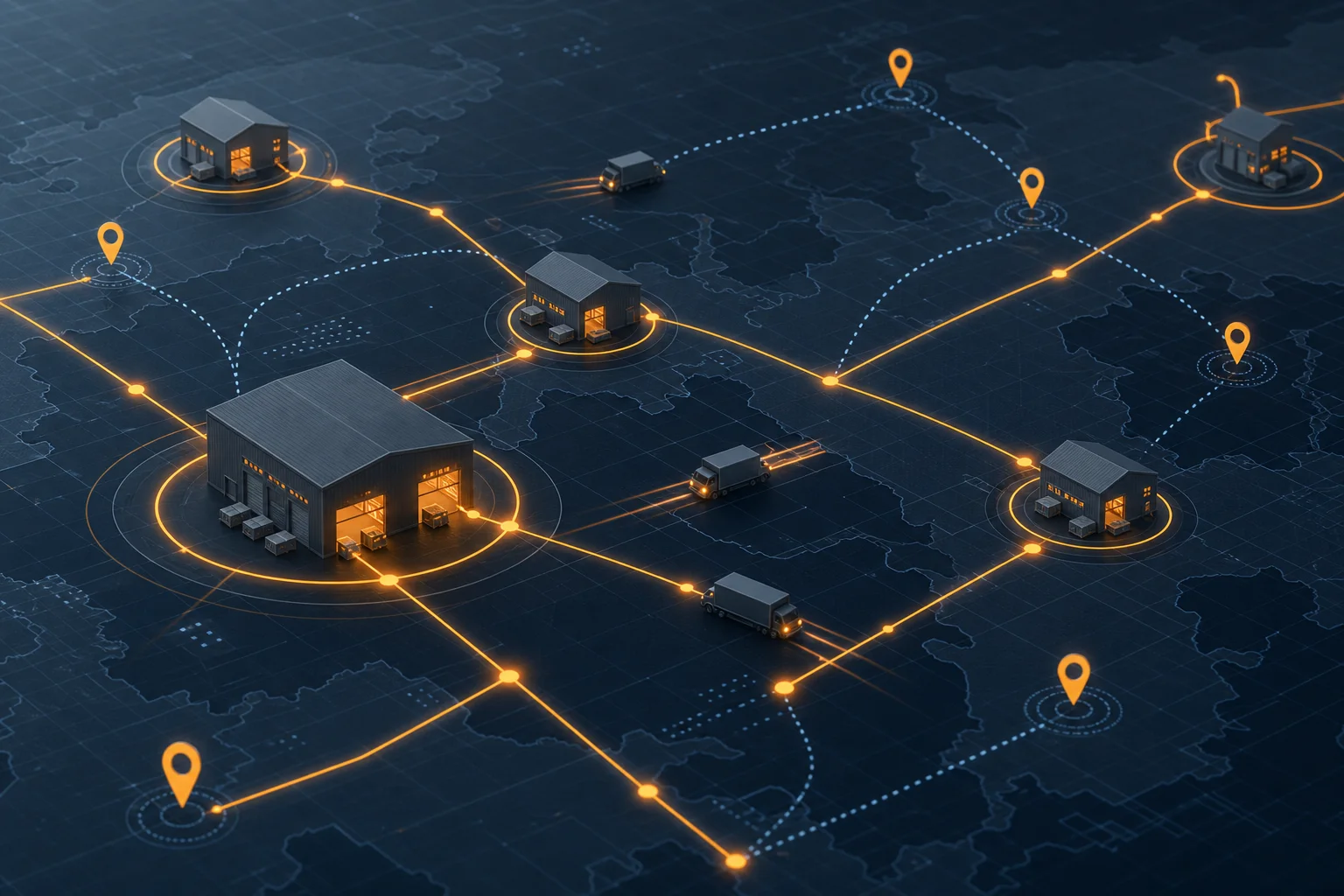
For a mid-market 3PL (~2.1M shipments/yr, OTIF 82%), layering AWS Supply Chain on ERP ingest plus Location Services fleet tracking moved ETA accuracy from 71% to 87% in 90 days — without replacing Manhattan WMS.

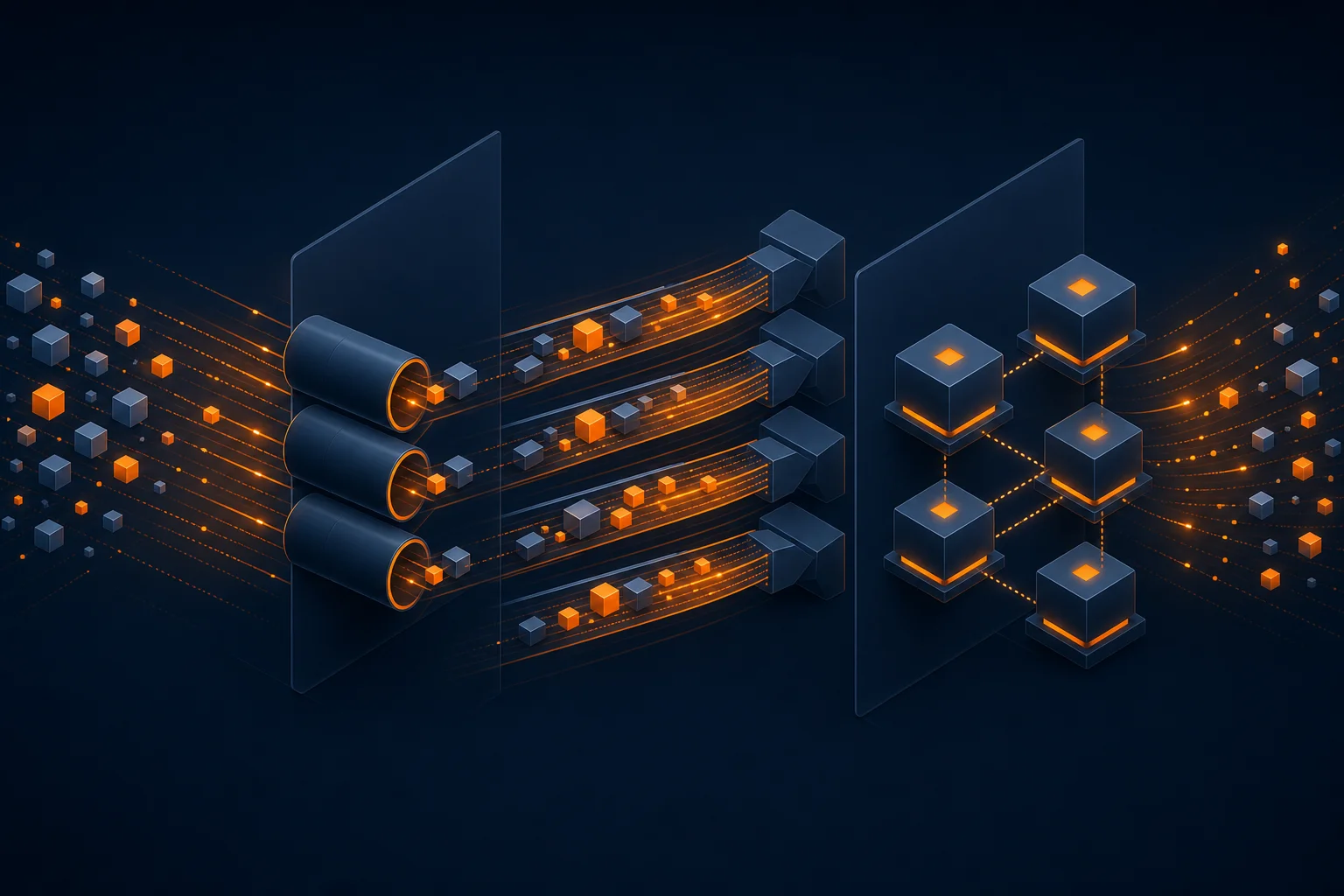
On a composite ingest workload (~8k ordered TPS, 1 KB payloads), staying on SQS FIFO without high-throughput mode capped effective throughput near 300 TPS/API and modeled queue backlog cost near $95/mo before ops time — enabling high-throughput FIFO or switching to Kinesis on-demand changed the ceiling, not the consumer code.

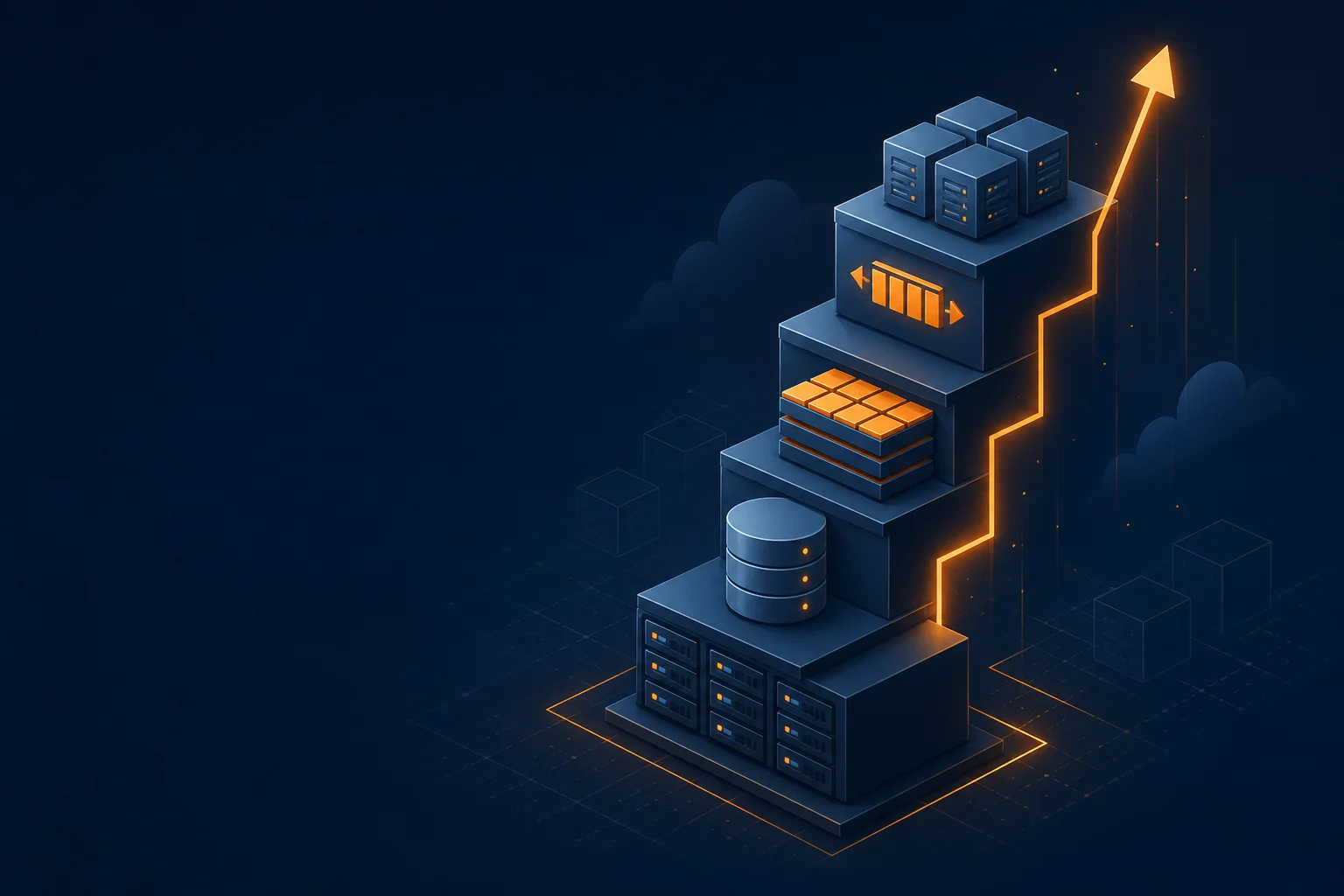
On a composite B2B order API (~2.4k RPS peak, 24 ECS tasks on Aurora), running the scaling ladder in order — RDS Proxy, read-replica routing, ElastiCache, then SQS offload — moved modeled p99 from 1,840 ms to 72 ms before any microservice split.

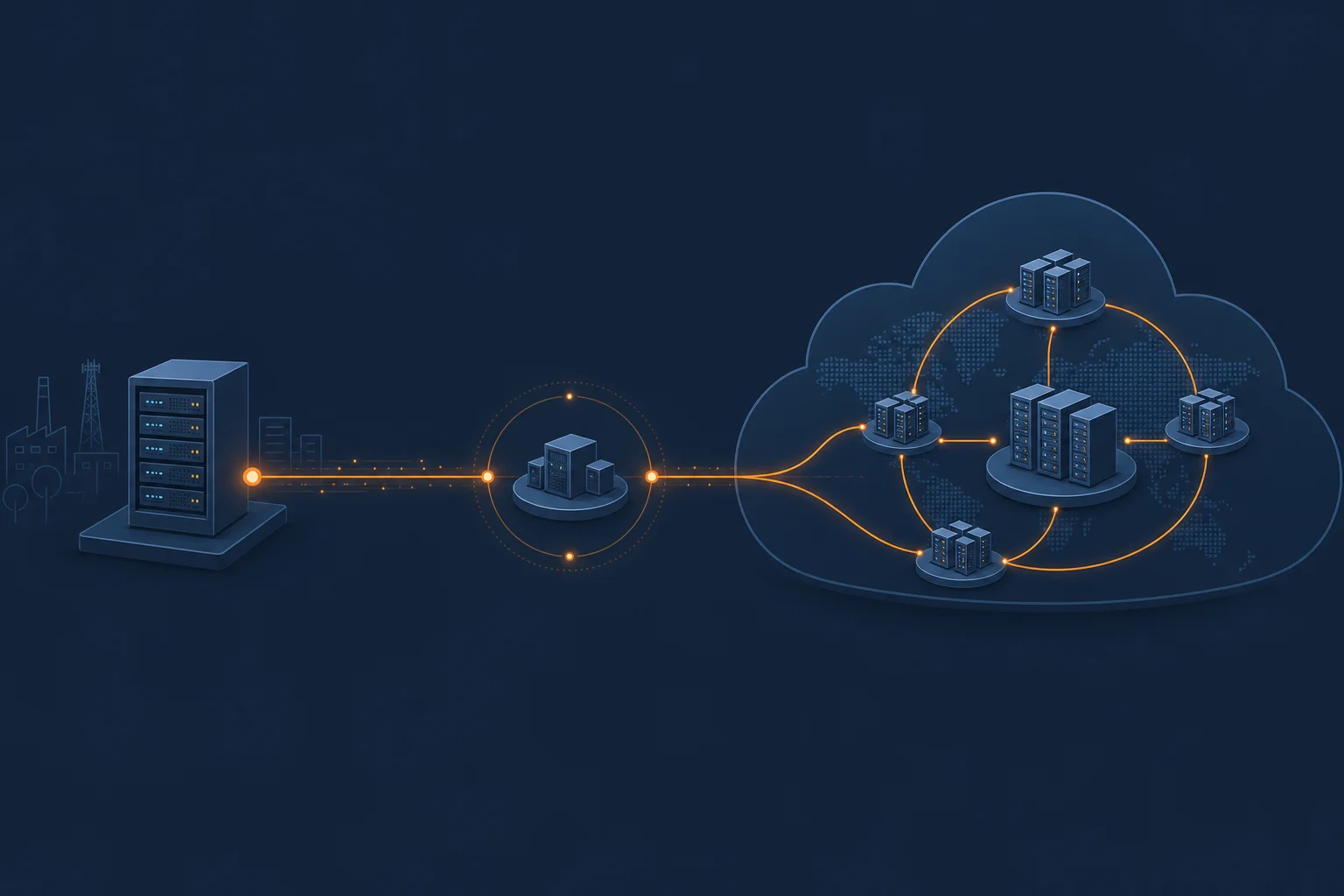
A composite fintech API (~8ms p99 to metro users) spent ~$14k/mo on an Outposts rack before moving read-heavy paths to a Chicago Local Zone and keeping Outposts only for card-PIN HSM proximity — p99 held at 9ms, hybrid infra dropped ~38%. This is placement and connectivity, not EC2-vs-Lambda unit economics.

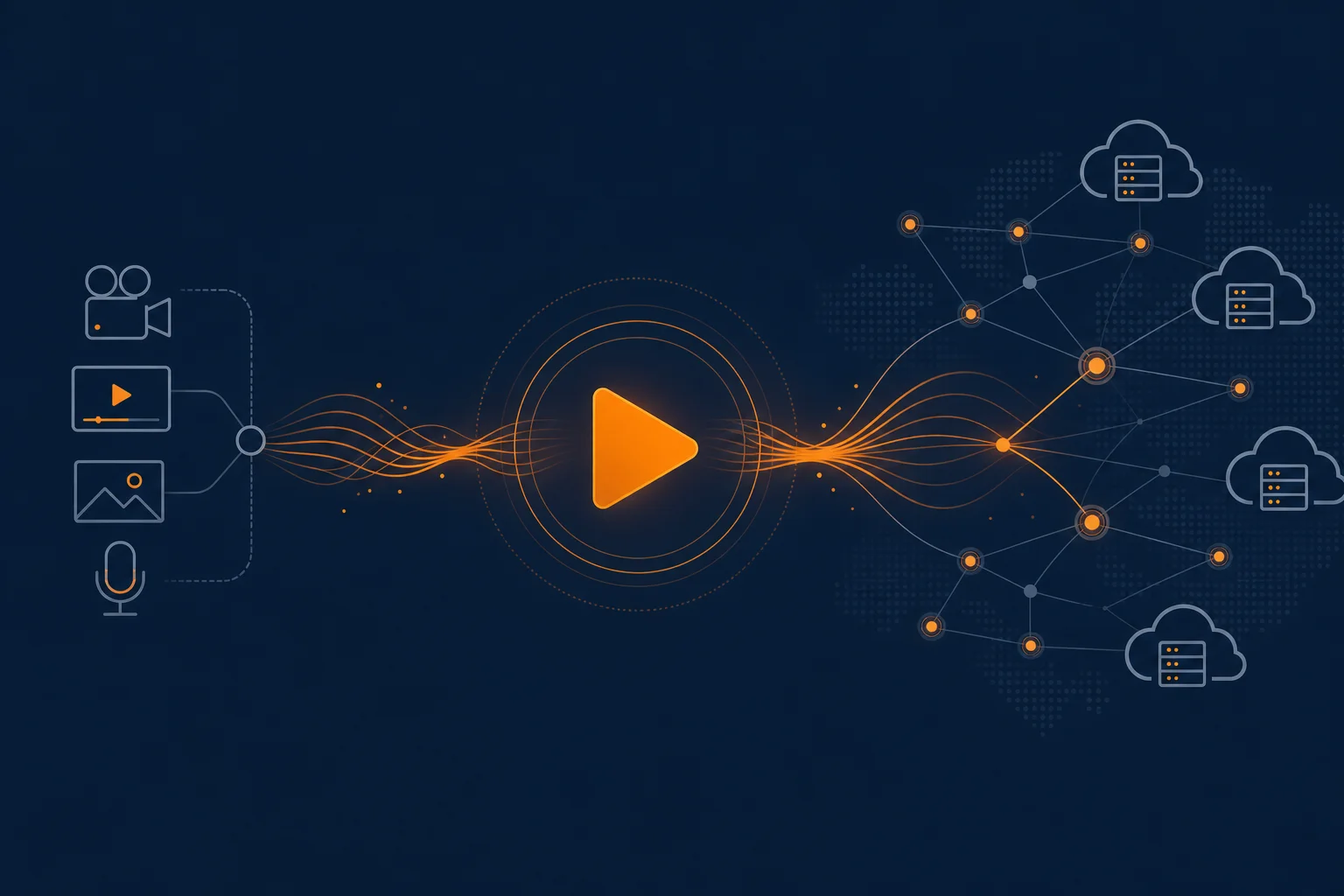
On a composite mid-market OTT platform (~180k concurrent live peak, ~12 TB/month VOD catalog), routing Saturday-night live through MediaConvert batch queues added ~$4,200/mo in idle transcode capacity before switching live to IVS and keeping MediaConvert for catalog only. CloudFront egress still dominates steady-state — model it before you buy encoders.

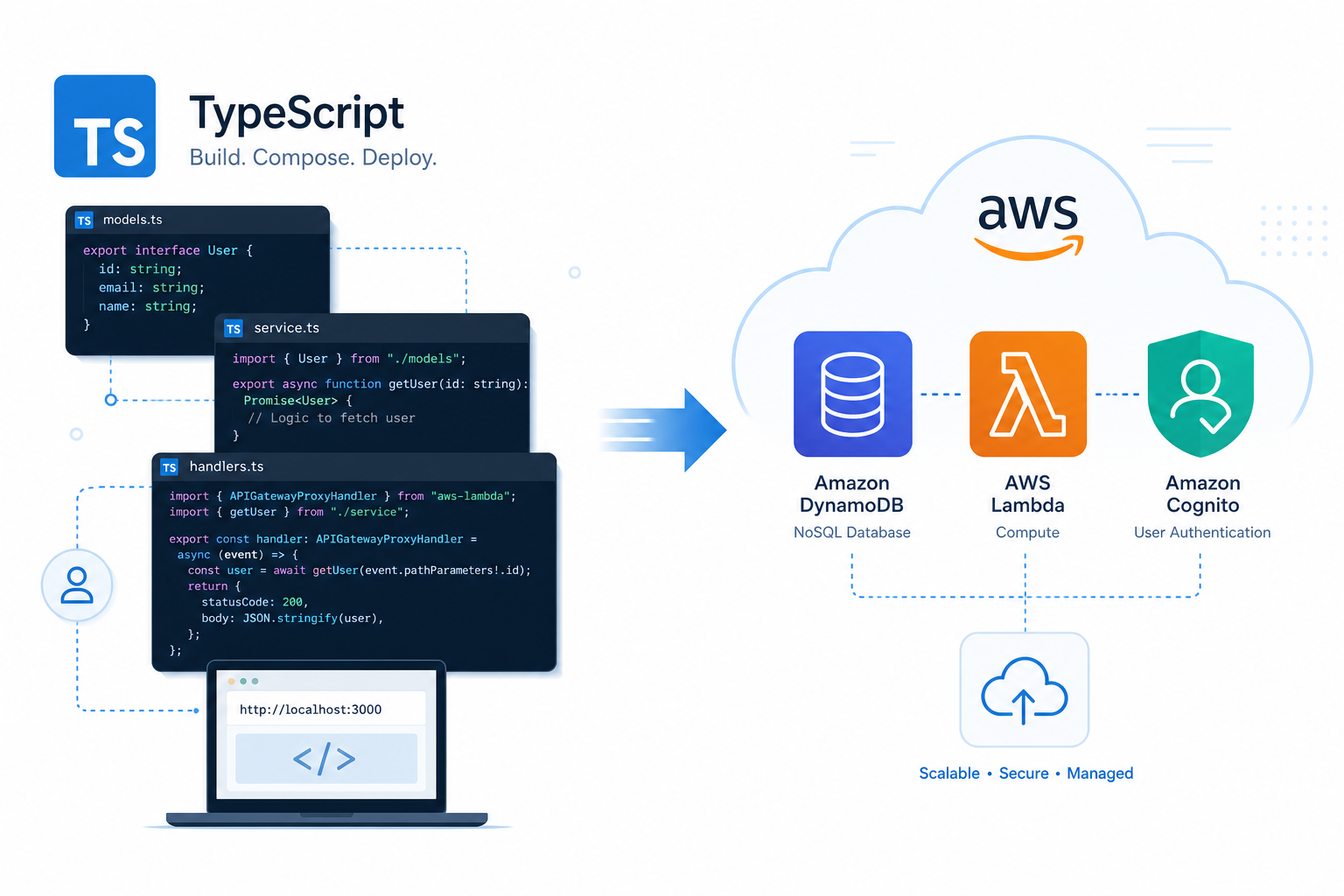
AWS Blocks (public preview, June 2026): 18+ open-source TypeScript building blocks that run locally without an AWS account and deploy with zero code changes.